Translating complex neuroscience research into a human-centered brand system
Role: Brand Strategy, Creative Direction, Messaging Strategy, Visual Identity
Deliverables: Brand Identity System, Messaging System, Content Strategy, Marketing Assets
The Mind Lab is a neuroscience research lab at the University of Minnesota studying how brain function and motor behavior relate across neurodevelopmental and neurological conditions. Rather than searching for a single defining marker, the lab focuses on patterns, overlap, and variation to better understand how individuals compare across diagnoses.
The challenge was translating this nuanced, research-heavy approach into a brand system that felt both scientifically credible and emotionally accessible. The identity needed to support interdisciplinary research while also communicating openness, humanity, and neurodiversity without relying on clinical or institutional visual conventions.
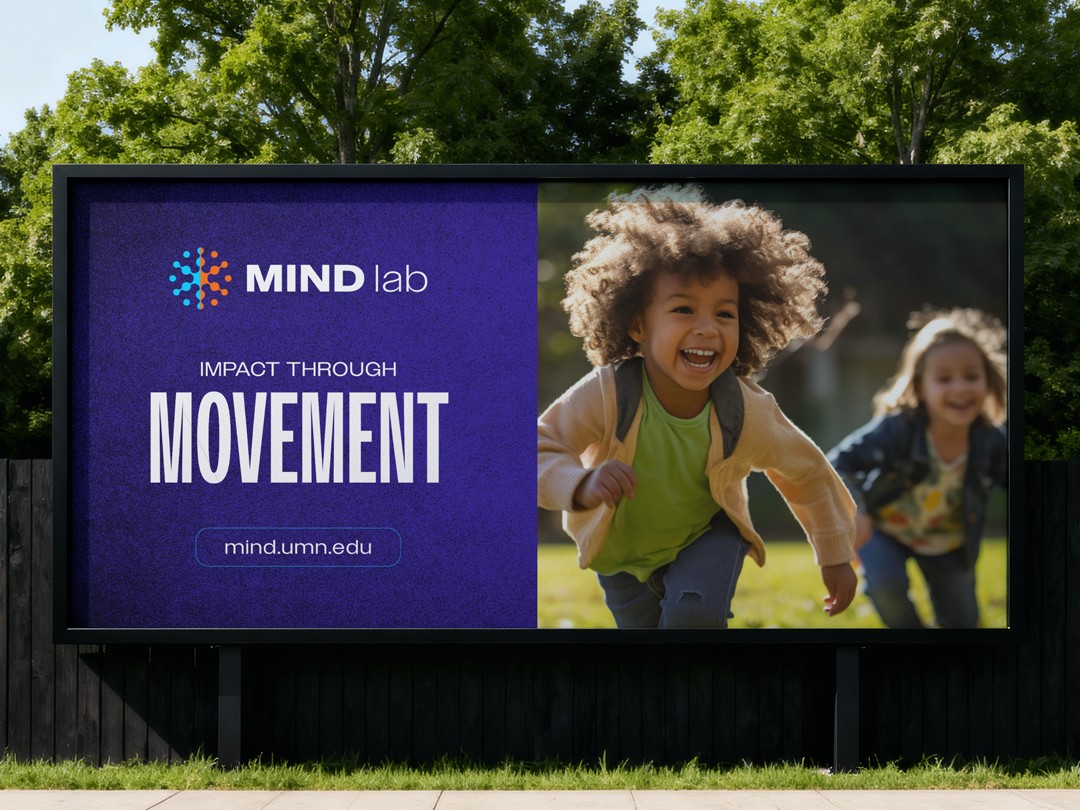
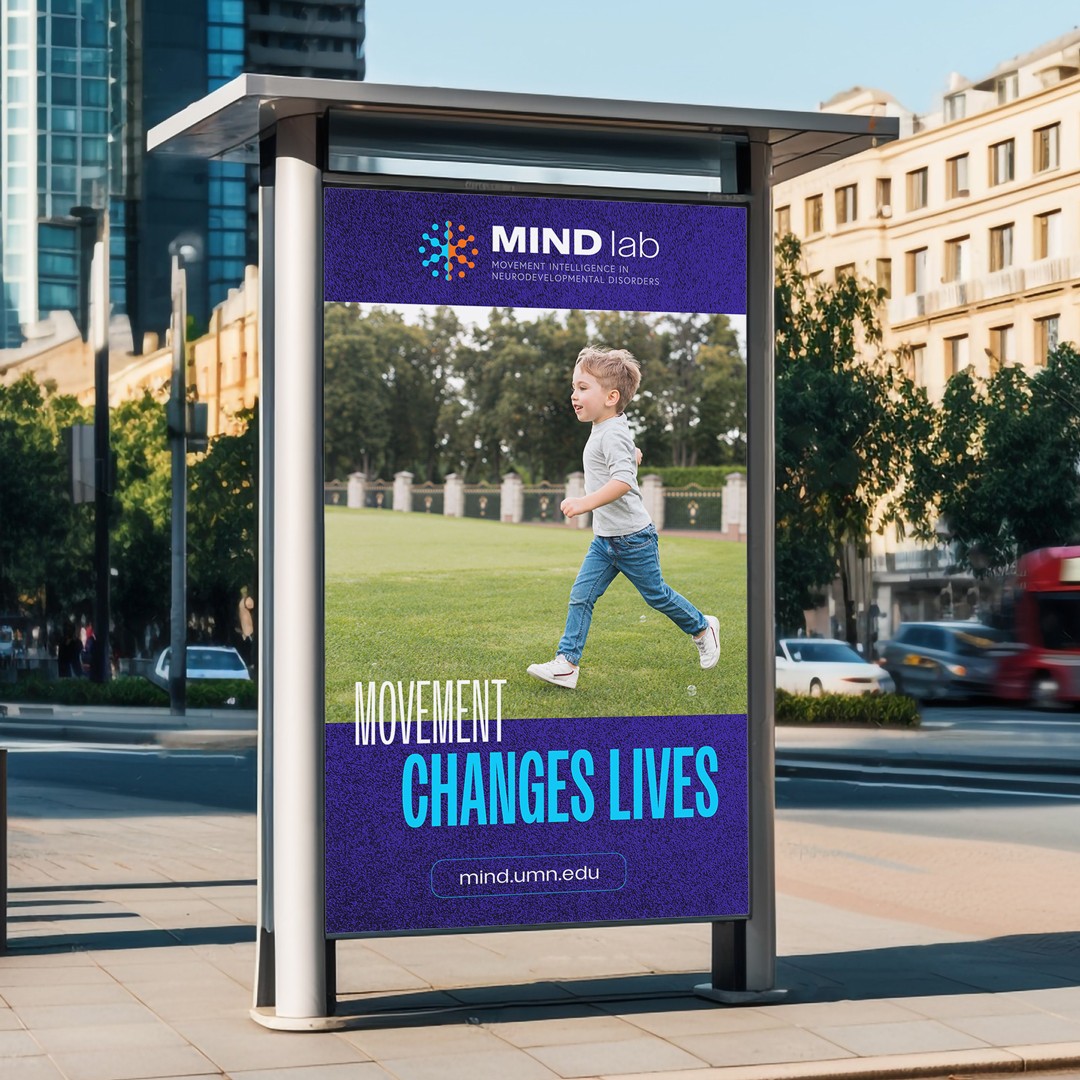
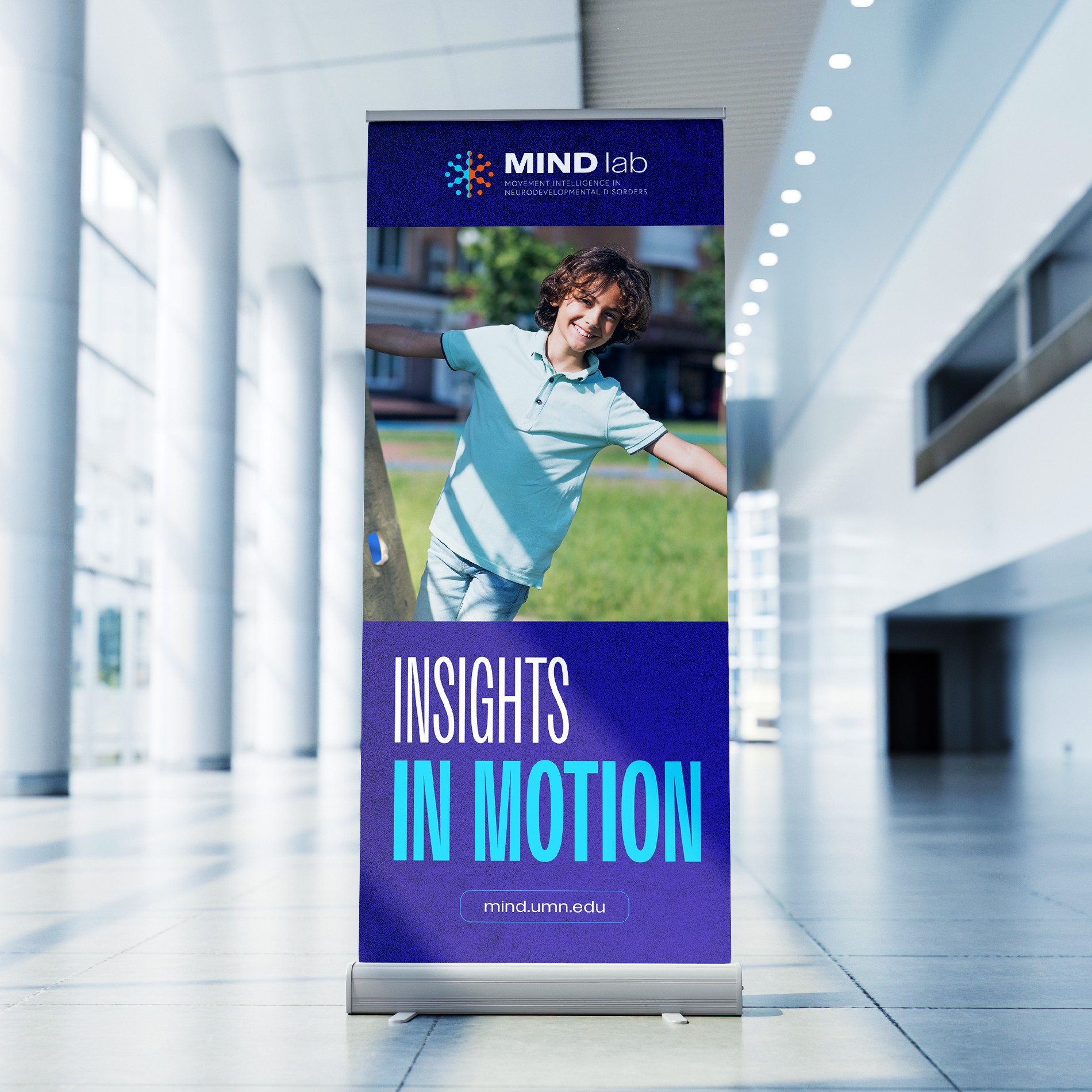
At the same time, the brand needed to function as a practical communication tool, something the lab could use to promote its work, present at academic events, and communicate clearly with both internal and external audiences.
Brand Strategy
--->
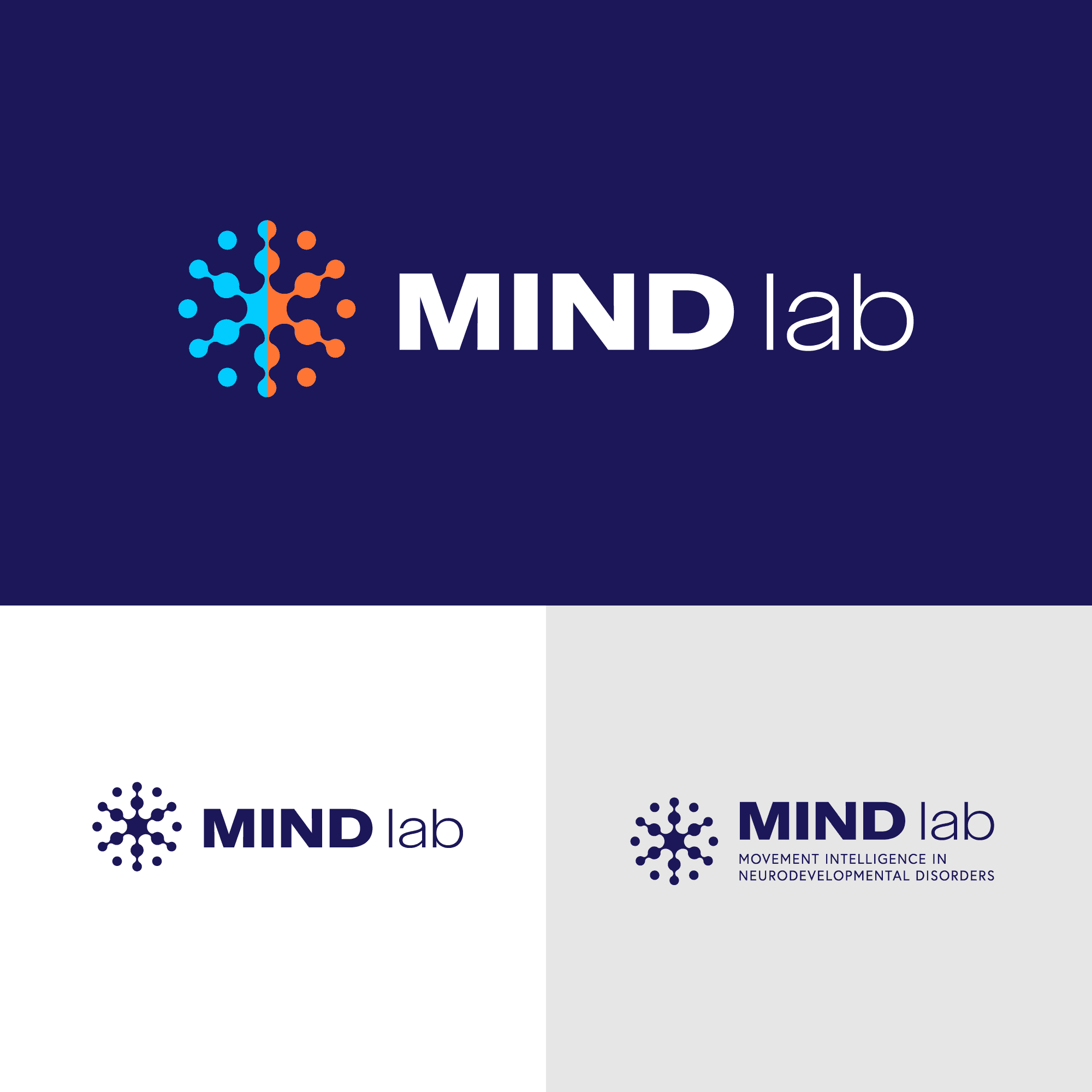
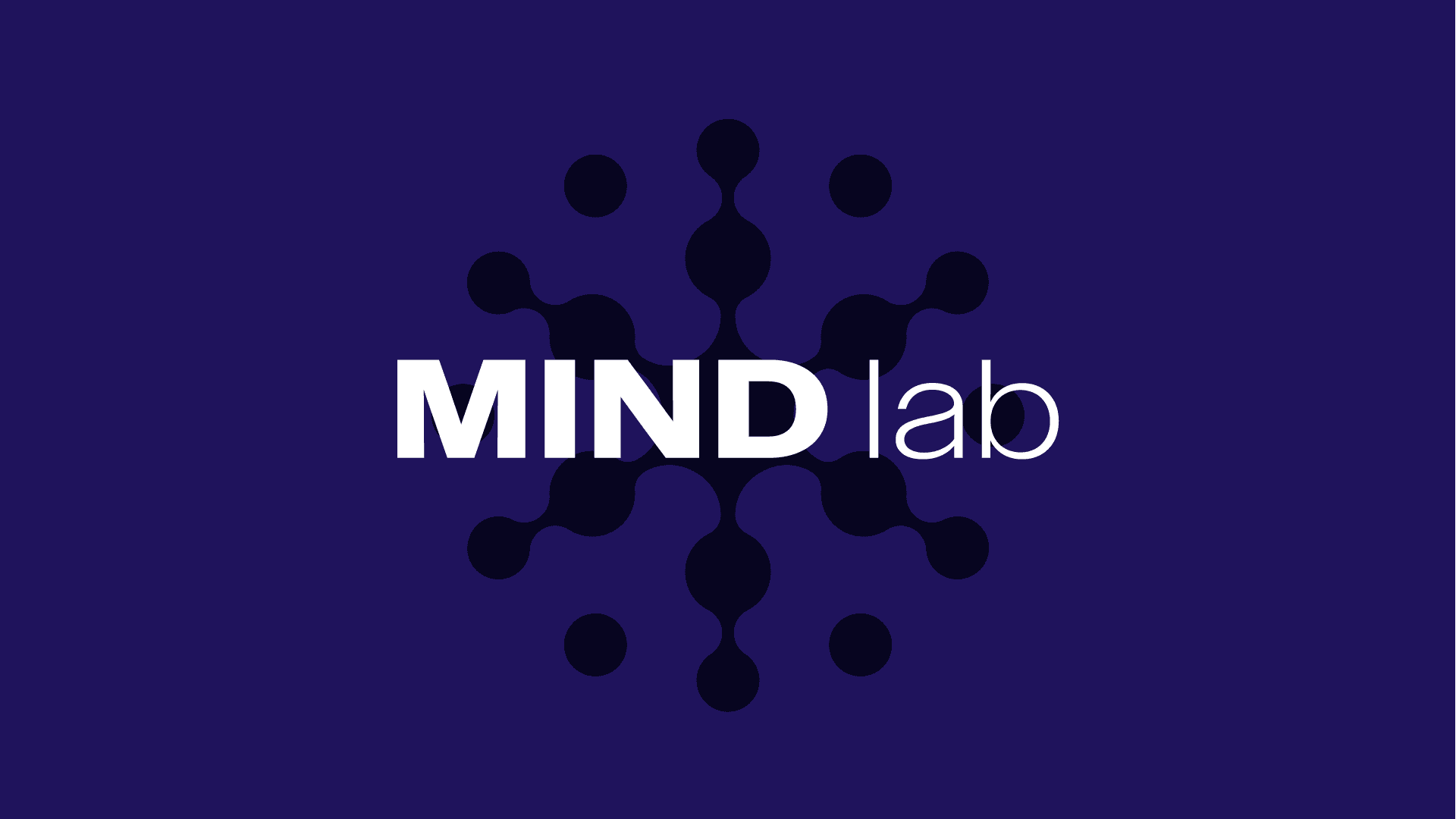
The identity system draws directly from the lab’s research methodology. The logo references neural structures and connectivity, reflecting the lab’s focus on mapping relationships, comparison, and shared neurological patterns across individuals.
A modular visual system was developed to mirror the lab’s research philosophy: structured enough to support scientific credibility, but flexible enough to represent variation, overlap, and neurodiversity. The split color palette reinforces this idea, using contrast and coexistence to symbolize distinct neurological pathways within a shared framework.
The result is a brand that feels analytical without becoming impersonal, designed to support research that values complexity, connection, and human understanding over simplified categorization.
Audience Strategy
--->
The identity needed to function across multiple audiences with different levels of familiarity and engagement with the research.
Primary Audiences
Research Participants & Families
Individuals participating in studies who need clarity, trust, and reassurance when engaging with the lab’s work.
Academic & Clinical Collaborators
Researchers and professionals who require scientific credibility, rigor, and interdisciplinary clarity.
Students & Trainees
Emerging researchers looking for academic direction, mentorship, and exposure to innovative methodologies.
Functional Need
Beyond these audiences, the lab also needed a brand system that could be used in practical contexts:
presenting research at academic conferences and events
promoting the lab’s work to potential collaborators and participants
communicating a cohesive identity across digital and physical materials
The brand therefore needed to be both institutionally credible and operationally usable.
Visual Identity
--->
The identity system takes direct cues from the lab’s research methodology.
The logo references neural structures and connectivity, reflecting the lab’s focus on mapping relationships, comparison, and shared neurological patterns across individuals.
A modular system was developed to reflect the lab’s core research approach, structured enough to maintain scientific credibility, but flexible enough to represent variation, overlap, and neurodiversity across different contexts and datasets.
The split color system reinforces this concept of coexistence. Distinct visual pathways exist within a shared system, reflecting the lab’s focus on understanding how differences and similarities emerge across neurological conditions.
Together, these elements create a brand that feels analytical yet human — designed to support research that values complexity, connection, and lived experience over simplified categorization.